
Easy-to-read and informative articles on a variety of hearing health topics, including hearing aids, hearing loss, and tinnitus.
Looking for something specific? Try searching a keyword to get started!

Protect your Hearing in the New Year
Are you making January resolutions to be more health-conscious? Don't forget to include the importance of your hearing health! Hearing loss is the third most common physical condition after arthritis and heart disease. Here are some tips to improve your hearing health.
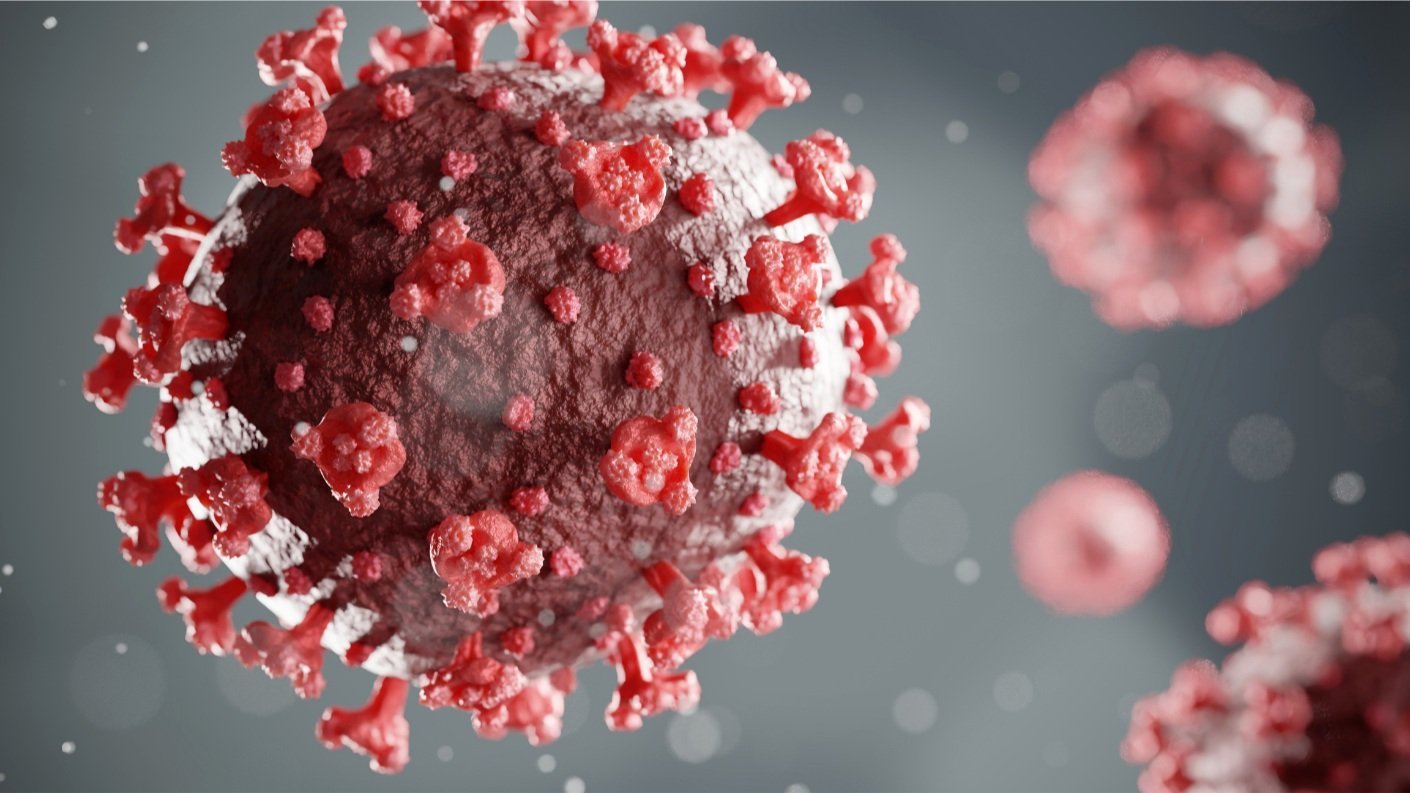
COVID-19 and Hearing Loss
A new study from the Massachusetts Institute of Technology and Massachusetts Eye and Ear published in Communications Medicine provides evidence that COVID-19 can infect cells of the inner ear, including hair cells, which are critical for both hearing and balance.

Hearing the Joy of the Holidays
The holidays are swiftly approaching. No matter what event you choose to celebrate, the likelihood that you’ll be attending or hosting at least one party within the next few months with someone with hearing loss in attendance is high.

Diabetes and Hearing Loss
November is National Diabetes Month, and we wanted to take the opportunity to discuss the close connection between diabetes and hearing loss. According to the CDC, hearing loss is twice as common in people who have diabetes as it is in people of the same age who don't. Diabetes can lead to nerve damage that affects many parts of the body, including your hands, feet, eyes, and kidneys. Diabetes can also cause nerve damage in your ears.

Hearing Loss in One Ear
Do you experience difficulty hearing in one ear? Do you have to sit next to your friend with your 'good ear' to participate in a conversation? It is possible to have hearing loss in one ear.
National Audiology Awareness Month
October is National Protect Your Hearing Month and National Audiology Awareness Month, and there’s no better time to learn how to protect yourself and your loved ones. Here are four tips to encourage family and friends to practice healthy hearing habits and tips for dealing with hearing aids.

Hearing Helping Foods
According to a study published in 2018 in the Journal of Nutrition, three eating patterns contributed to about a 30 percent lower risk of hearing loss. The three diets were an alternate Mediterranean diet, the Dietary Approaches to Stop Hypertension, and the 2010 Alternative Healthy Eating Index.

Social Interaction and Hearing Loss
Social interaction is more important than ever before. The Hearing Review published a special report on Social Engagement and Hearing Loss. It is common for individuals with hearing loss to become embarrassed about their condition or nervous about meeting new people causing them to isolate themselves.

Tips of Protecting your Hearing
In previous posts, we’ve mentioned everyday noises that can contribute to hearing loss. We have some tips on protecting your hearing from these everyday noises.

What to Expect at Hearing Health Associates
Whether you've finally scheduled an appointment with an audiologist to examine your ears and hearing or are still a bit hesitant about it, we are here to make it a little less nerve-racking. We are sharing what you can expect when you visit us for an audiology appointment. In this article, we are breaking our process down into four simple steps.

Scientists Find Link Between Red Blood Cell Protein and Age-Related Impairments like Hearing
Earlier this month, PLOS Biology published the results of a study on the role of erythrocyte ADORA2B (a protein in red blood cells) in age-related decline. Because ADORA2B helps red blood cells release oxygen, and oxygen depletion is known to contribute to hypoxia and age-related degeneration, the researchers behind this study hypothesized that ADORA2B levels might play a crucial role in maintaining or losing cognitive function (including auditory processing).

Everyday Noises That Can Contribute to Hearing Loss
According to the National Institute on Deafness and Other Communication Disorders, “long or repeated exposure to sounds at or above 85 dBA can cause hearing loss.” Unfortunately, it is not uncommon for us to encounter appliances, tools, accessories, and situations in our everyday life that emit noise at or above this threshold. Here are a few common culprits and their typical/average decibel levels.