Hearing Helping Foods
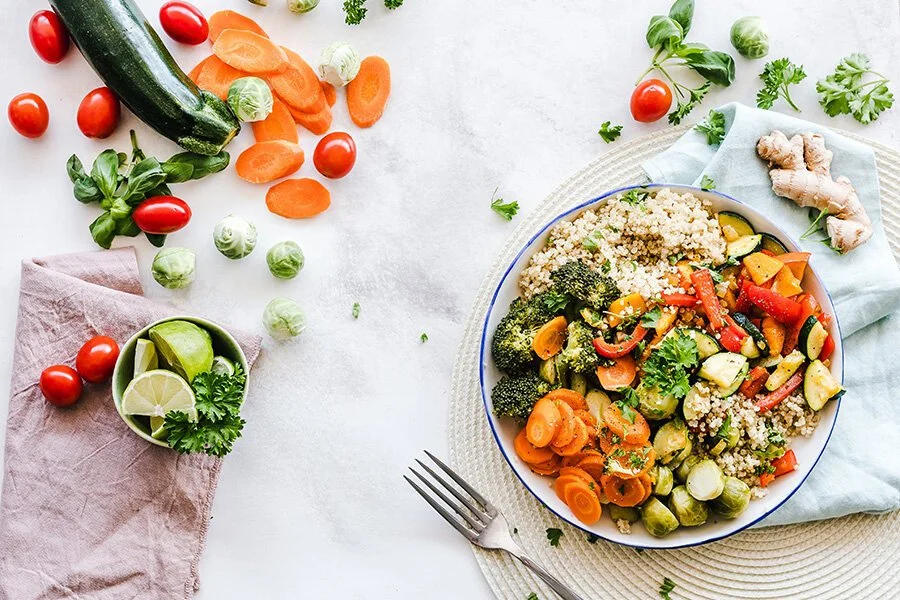
According to a study published in 2018 in the Journal of Nutrition, three eating patterns contributed to about a 30 percent lower risk of hearing loss. The three diets were an alternate Mediterranean diet, the Dietary Approaches to Stop Hypertension, and the 2010 Alternative Healthy Eating Index. These diets emphasize a higher intake of fruits and vegetables; and lower intakes of sodium, added sugars, and saturated fat.
Here are a few foods to increase:
Fruits and vegetables
Foods high in beta-carotene and folate--dark orange produce such as carrots or cantaloupe and leafy greens like arugula, kale, and spinach
Omega-3 fatty acids--fish
These seem to be particularly hearing-protective by promoting flood flow to the inner ear’s cochlea, whose tiny hair cells transmit messages that the brain interprets as sound. They may help protect against age-related declines in cochlear function, too.
Some food to limit:
Carbohydrates--such as white rice, potatoes, and pasta
Added sugars
Foods high in carbohydrates raise blood glucose levels which can negatively affect your hearing because it damages the tiny blood vessels in the ears.
Research suggests filling half your plate with fruits and vegetables, especially those rich in beta-carotene or folate. At least a quarter of the plate should contain protein. An analysis published in 2020 in the journal Ear and Hearing found that sufficient protein reduced the risk of tinnitus, a ringing in the ears that may signify hearing loss.
Want to learn more? Check out our past blog post on hearing and nutrition. Be sure also to follow our Roanoke and Crozet Facebook pages for the most up-to-date news.