How 3D Printing Technology Could Help Increase Access to Hearing Aids For People Around the World
The World Health Organization (WHO) estimates that less than 3% of people in the developing world who require hearing aids have them. Utilizing 3D printing technology to provide low-cost hearing aids to children in Jordan will aim to help meet the need for hearing care in the developing world.
Jason Szolomayer is a former banker and the founder and CEO of 3DP4ME, which means "3D Printing for ME (Middle East), "according to the company's website. Szolomayer started this initiative with support from companies like Intel, Accenture, and BASF. According to Forbes, he also collaborated with Stanford University and Technical University of Munich to build a team of experts in "audiology, additive manufacturing, medical device manufacturing, design, and intelligent manufacturing systems."
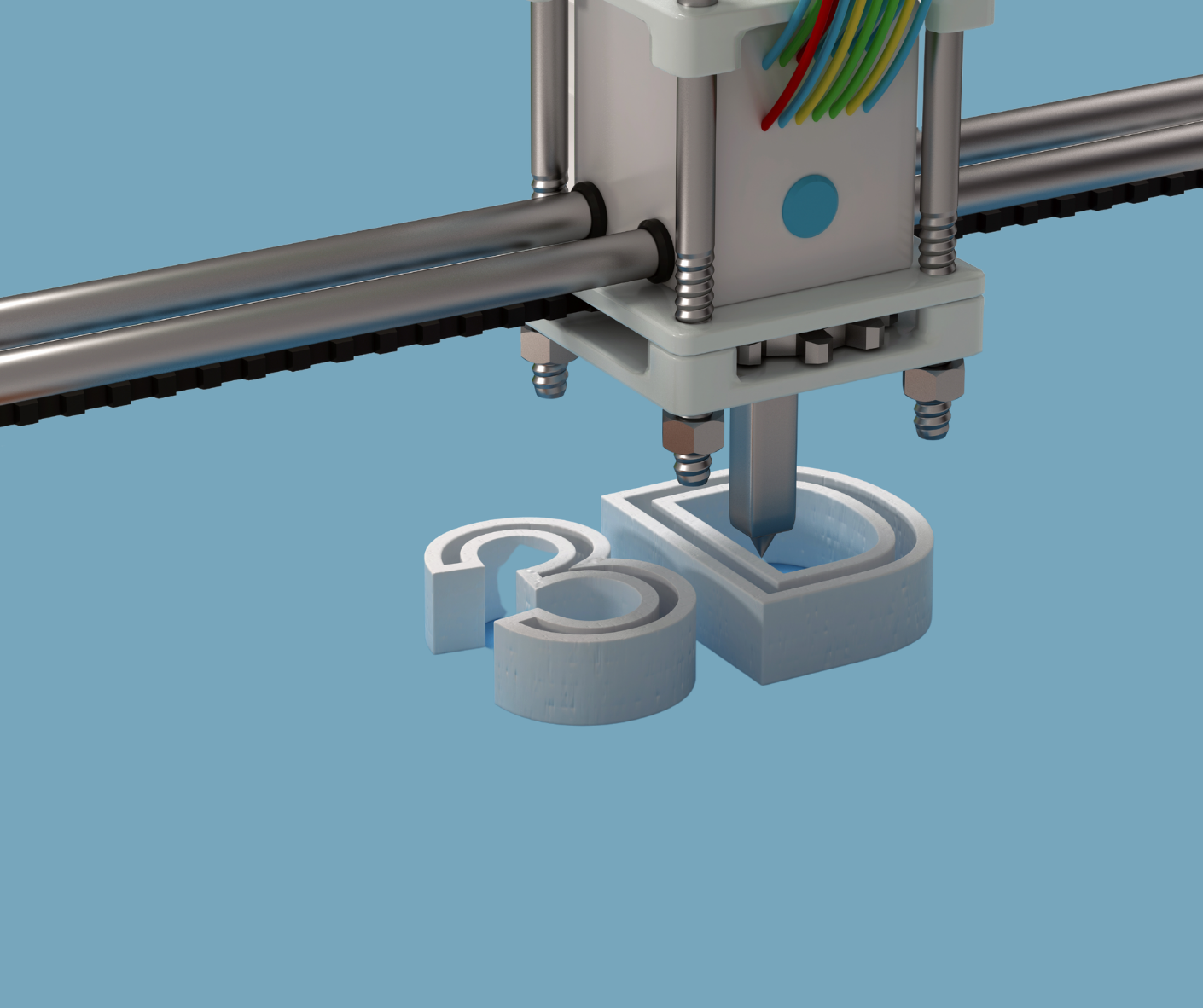
While more research is needed, Szolomayer plans to identify 50 children between ages 6-10 to fit with hearing aids. Eventually, he wants to "provide 12,000 hearing aids to 4,000 individuals who need monolateral fitting and 4,000 individuals who are in need of bilateral fitting," which he estimates will cost $5 million. Eventually, Szolomayer believes that the organization could provide 3D printing training within the community, potentially strengthening the local economy and helping to build a manufacturing sector, which is key for raising living standards at a faster rate, according to Forbes. To read the article in its entirety, please click here.
Are you interested in learning about other hearing health research, developments, and best practices? Check out our other blog posts and follow our Roanoke and Crozet Facebook pages.