Scientists Develop a Genetic Test That Could Help Reduce Pediatric Deafness
Earlier this month, The Hearing Review published an overview of the results from the “Rapid Point-of-Care Genotyping to Avoid Aminoglycoside-Induced Ototoxicity in Neonatal Intensive Care” study. University of Manchester scientists developed a “world-first genetic test” that could prevent pediatric deafness in hundreds of babies each year.
This bedside machine will identify if critically ill babies in intensive care have a gene that could result in pediatric deafness if they are treated with a common emergency antibiotic. This new swab genetic test technique takes just 25 minutes and would replace a test that traditionally took several days. The new technique could save the hearing of 180 babies each year, in England alone.
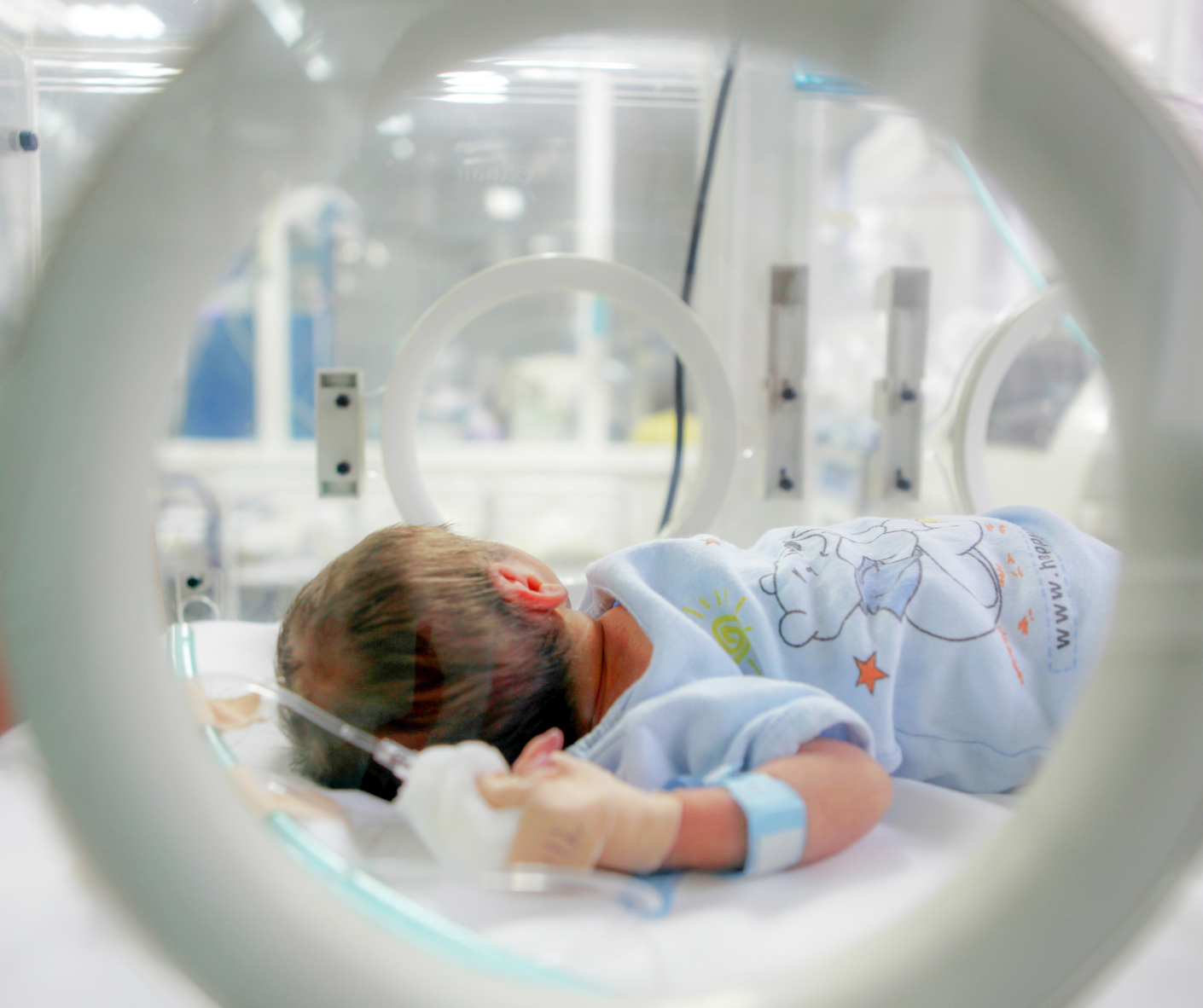
In addition, this new test means that babies found to have the genetic variant can be given an alternative antibiotic within the “golden hour.” It is expected the test could save $6.6 million every year by reducing the need for other interventions, such as cochlear implants.
First-year nursing student Mary has an 18-month-old named Khobi, who was born and treated at St. Mary’s Hospital, part of Manchester University NHS Foundation Trust.
Mary said, “Khobi was born with her bowel outside her tummy, which put her at risk of infection – she needed antibiotics quickly but was given this new genetic test which showed she was susceptible to hearing loss from gentamicin.”
“She was given an alternative antibiotic which didn’t affect her hearing, and it worked well. She’s doing fine and is such a happy, sociable baby," Mary added. "This test is great, and I think all babies should have it.”
Are you interested in learning about other hearing health research, developments, and best practices? Check out our other blog posts and follow our Roanoke and Crozet Facebook pages.