How to Protect your Hearing Loss from Getting Worse
In most cases, hearing loss cannot be reversed. That's why it's imperative to be aware of the signs, seek appropriate care, and utilize today's advanced technology. If you already have hearing loss, the Centers for Disease Control and Protection has gathered some tips to help you protect your hearing from getting worse.
Take advantage of technology: If your hearing loss has had an impact on your lifestyle, hearing aids may be helpful. We can adjust them to meet your specific needs. However, they’re only effective when you use them. If you’re concerned about how they look, there’s no need to worry. Due to the wide variety of styles available, many hearing aids are barely visible.
Avoid noisy places whenever possible.
Use earplugs, protective ear muffs, or noise-canceling headphones when around loud noises.
Keep the volume down when listening through earbuds or headphones.
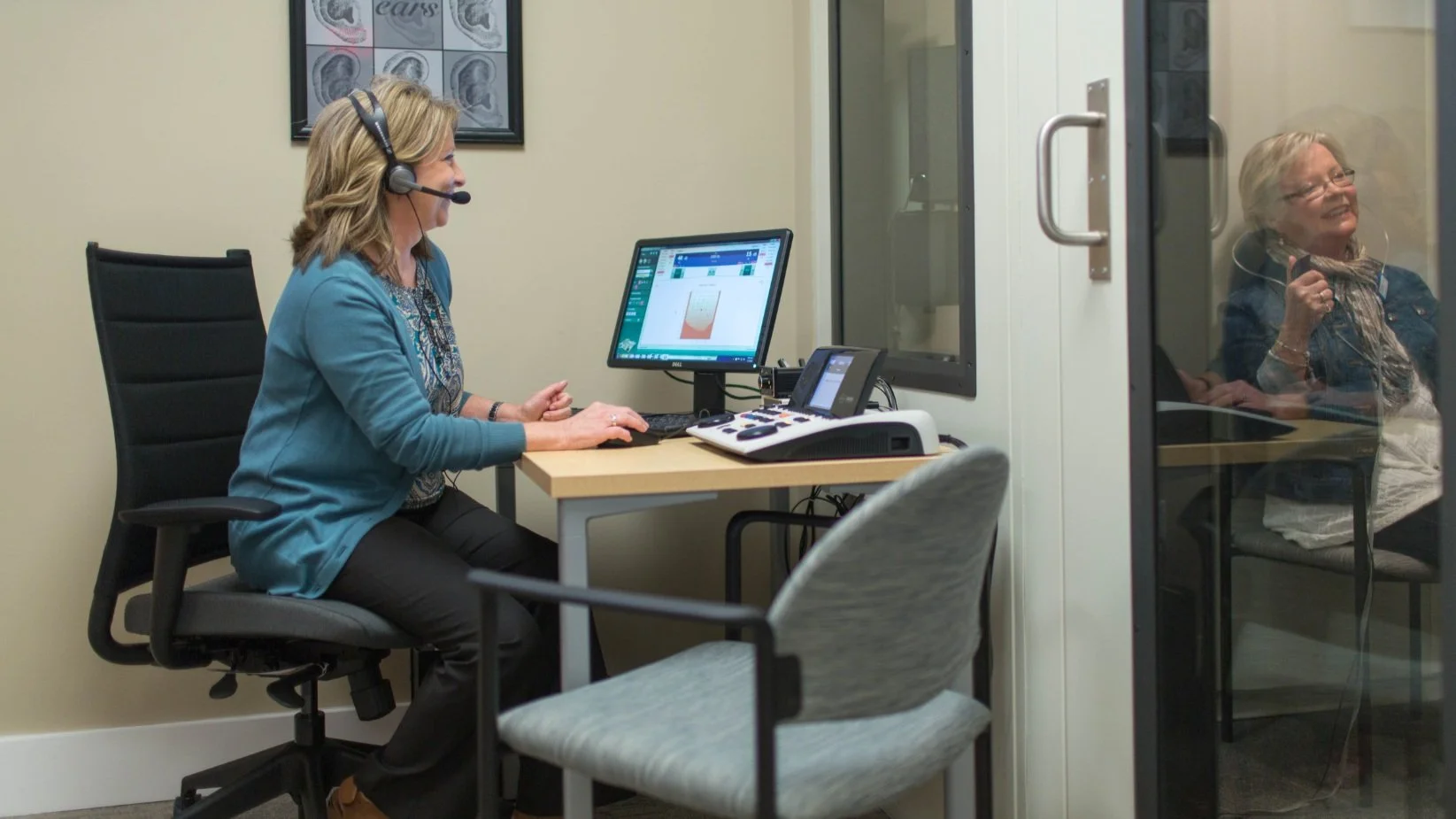
Get regular hearing exams: Annual hearing tests are essential for anyone with hearing loss. Each year your audiologist will compare the result of that year’s exam to your previous tests. Regular examinations allow your audiologist to catch problems early.
Many people with hearing loss can still hear some sounds. If you already have hearing loss, there are ways to help you make the most out of the hearing you have.
Look at the speaker: Your brain can pick up a lot of information from visual cues that can supplement what you hear to help you understand the message. Everyone reads lips more than they realize, and facial expressions and body language can also provide helpful cues.
Find the best location for listening: Placing yourself between the speaker and sources of background noise makes it much easier to hear and understand what is being said. For example, sit across from your host in a restaurant, or stay in a room apart from the music at a party.
Choose favorable listening environments whenever possible: The physical characteristics of a room can make it easier or harder to hear. For example, choose restaurants with better lighting or meeting rooms with carpeted floors and acoustic ceiling tiles that reduce the echo (or reverberation) in a room.
Pay attention to the conversation: It is easier to understand a conversation context than to understand a statement that has no background to help you know what it is about.
Alert others to your hearing difficulty: Speakers can use strategies to help you hear better as well, such as making sure they have your attention before they speak and giving you a clear view of their face.
Use closed captioning: Use closed captioning when you watch TV, movies, and online videos. Closed captioning can enhance your ability to understand the program.
Our audiologists at Hearing Health Associates, located in Roanoke, VA, and Charlottesville, VA, will work with you to listen to your story, test your hearing loss, and choose the solution that's best for you and your lifestyle. Contact us today for a hearing exam.