What is Swimmer’s Ear?
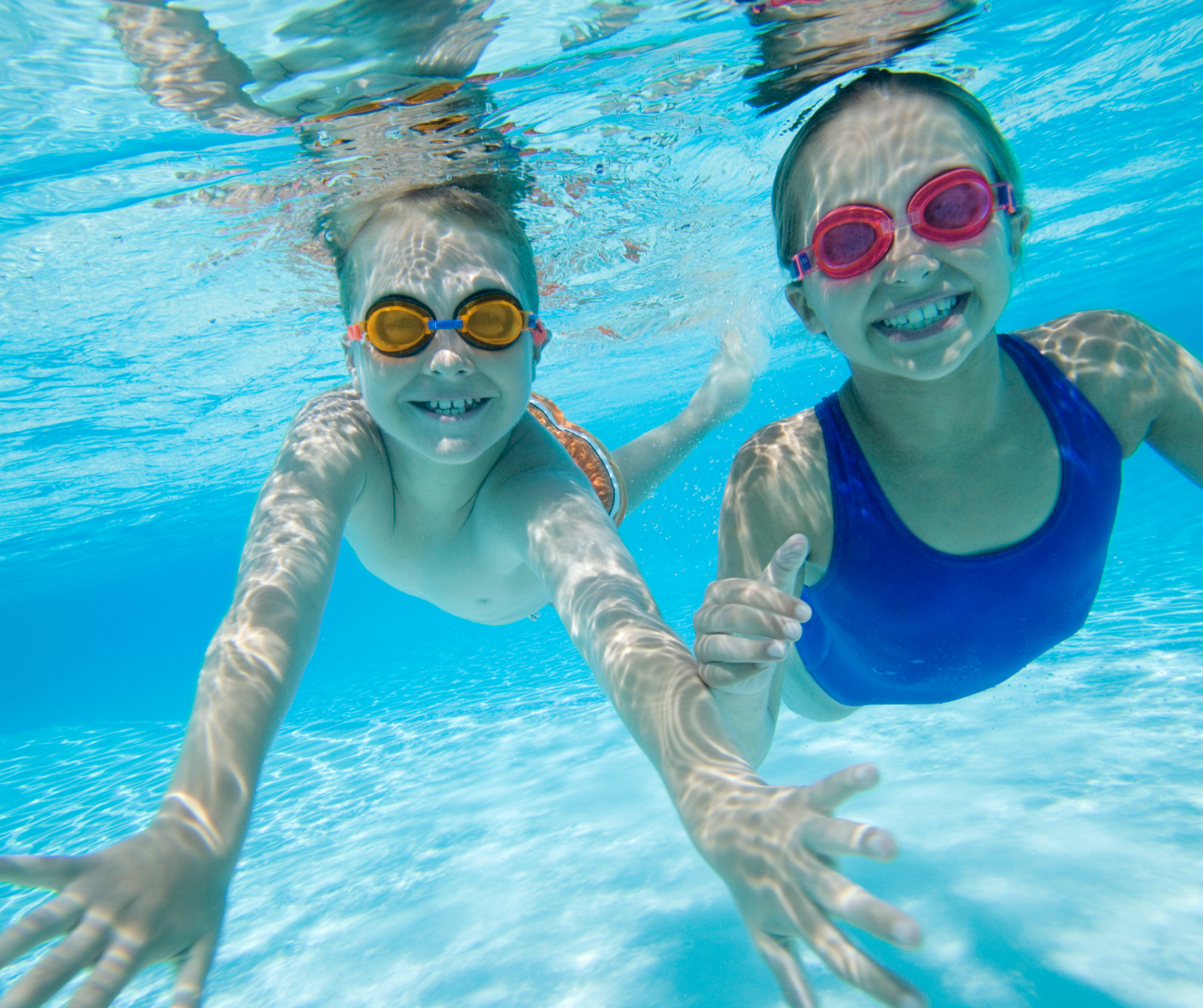
Does your family frequently swim in a pool or lake during the summer? Is your child on a swim team? Has your child ever had swimmer's ear? Recurrent ear infections? Tubes? If you answered yes to any of these, this post is for you!
What is Swimmer's Ear
Swimmer's ear, also known as acute external otitis or otitis externa, is an infection in the outer ear canal (running from your eardrum to the outside of your head). The most common cause of swimmer's ear is bacteria invading the skin inside your ear canal - it's often brought on by water that remains in your ear after swimming. Usually, you can treat swimmer's ear with eardrops, but it can wreak havoc on your fun summer plans if you have kids who love to be in the water.
Symptoms
Hearing loss is a common side effect of swimmer's ear. The ear may feel clogged as fluid builds up and the tissues swell, sounds become muffled, or even blocked altogether. If not treated quickly, the patient will soon experience severe pain due to pressure in the ear canal, and some patients will hear a ringing in the blocked ear (tinnitus).
What Are the Best Ways to Protect Against Swimmer's Ear?
The best way to reduce the chances of getting swimmer's ear is to take some easy precautions:
Dry ears with a towel after swimming
Tilt your head to each side to allow any excess water to drain
Don't insert anything into ears, and especially avoid the use of cotton swabs to clean ears
Use a hairdryer on the lowest setting to help alleviate moisture in the ear
Use ear plugs or a swim cap when swimming, especially in a river or lake
We highly recommend the AquaSeal Custom Floatable Swim Plugs. Read our blog post on Custom Ear Plugs.
If you are interested in seeing our audiologists, please fill out our form here, and we will be in touch soon! If you have more questions, don't hesitate to ask during your initial consultation.