Sign Language and Its Importance for the Hearing Loss Community
Hearing aids give access to speech sounds, and sign language is a fail-safe communication method - both are valuable tools when facing hearing loss.
Sign language is a powerful tool for communication and connection within the hearing-loss community. Sign language is vital in fostering inclusivity, empowering individuals with hearing loss, and bridging the communication gap between deaf and hearing communities. In this blog post, we will explore the importance of sign language and its profound impact.
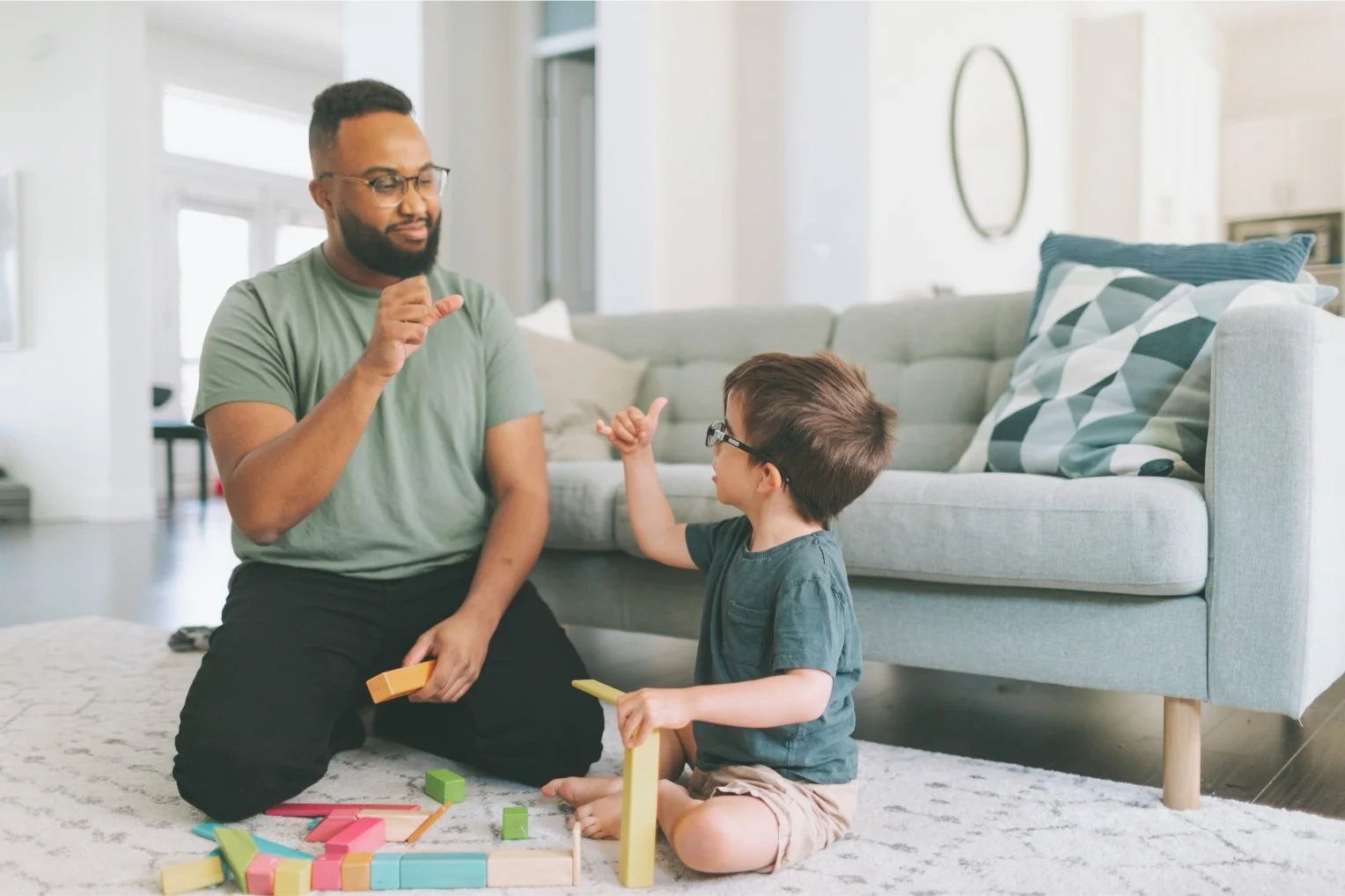
Visual Communication: Sign language provides a visual mode of communication, allowing individuals with hearing loss to express themselves fully and engage in meaningful conversations. Unlike spoken language, sign language utilizes gestures, facial expressions, and body language, enabling a more comprehensive and nuanced form of communication.
Independence and Autonomy: Sign language empowers individuals with hearing loss to communicate independently and autonomously. It eliminates barriers and reduces reliance on other communication methods, such as lip-reading or written notes. Sign language proficiency gives individuals the freedom to express their thoughts, emotions, and needs directly, promoting a sense of empowerment and self-confidence.
Inclusive Education: Sign language is crucial in ensuring inclusive education for individuals with hearing loss. For deaf children, sign language provides access to language and education, fostering cognitive, social, and emotional development. It enables them to participate fully in educational settings alongside their hearing peers, promoting equal opportunities for academic success.
Cultural Identity: Sign language is deeply intertwined with the cultural identity of the deaf community. Just as spoken languages reflect the culture of a community, sign language represents the rich heritage, values, and traditions of the deaf community. By embracing and promoting sign language, we honor and celebrate the diversity and cultural significance of the deaf community.
Enhanced Social Connections: Sign language facilitates social connections among individuals with hearing loss. It enables them to communicate with one another effortlessly, building friendships, fostering a sense of belonging, and creating a supportive network. Sign language also facilitates communication between deaf and hearing individuals, promoting inclusivity and breaking down communication barriers.
Accessibility in Various Settings: Sign language enhances accessibility in various settings, including education, healthcare, public events, and workplaces. By recognizing and utilizing sign language, we create an environment accommodating the communication needs of individuals with hearing loss, ensuring equal access to information, services, and opportunities.
Employment and Career Opportunities: Proficiency in sign language opens doors to employment and career opportunities within the deaf community and beyond. Sign language interpreters are critical in facilitating communication between deaf and hearing individuals in various professional settings. Additionally, individuals with hearing loss who possess sign language skills can pursue careers as educators, advocates, or community leaders within the deaf community.
Parent-Child Bonding: For parents of deaf children, learning sign language fosters a stronger bond and enables effective communication from an early age. Sign language empowers parents to communicate with their children, understand their needs, and provide emotional support, nurturing a loving and inclusive environment for their child's growth and development.
Advocacy and Awareness: Sign language serves as a visual reminder of the importance of inclusivity and accessibility for individuals with hearing loss. By promoting sign language and advocating for its recognition, we raise awareness about the needs and rights of the hearing-loss community. We strive for a society that embraces and supports all forms of communication.
Breaking Down Communication Barriers: Ultimately, sign language breaks down communication barriers and builds bridges between individuals with hearing loss and the wider community. It fosters understanding, empathy, and acceptance, promoting a more inclusive society that values the diverse ways in which individuals communicate and express themselves.
If you experience hearing loss, having multiple means of communication at your disposal is beneficial. There may be situations where you must refrain from using your hearing aids temporarily due to an ear infection, depleted batteries, or the need for repairs. Similarly, children with hearing aids are more susceptible to misplacing or causing damage to them by removing them without caution. In such instances, having sign language as an alternative option is highly advantageous. It provides an additional avenue for communication. Furthermore, acquiring knowledge of sign language is highly recommended for individuals encountering rapidly advancing hearing loss that may eventually result in complete hearing impairment.