How Loud is Too Loud?
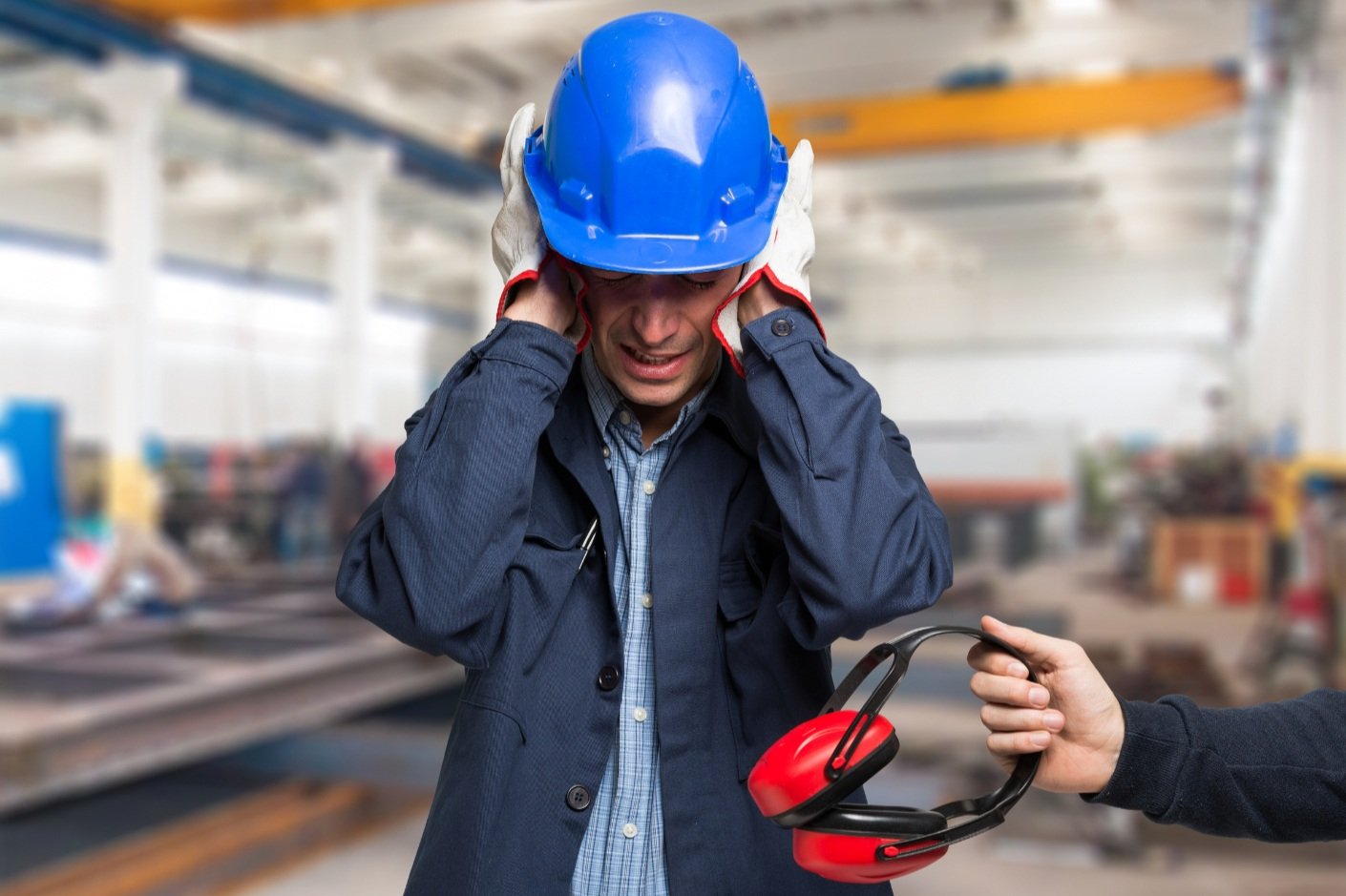
As you start your spring cleaning and outdoor projects, let’s look at the noise level they generate and what you can do to protect your hearing. We hear many types of sounds every day. While many of those sounds are safe, sounds that are too loud and last too long can permanently damage your hearing. The louder the sound, the more damage it can cause to your hearing, and the faster it will occur. This damage is called noise-induced hearing loss. Noise-induced hearing loss is one of the most common work-related illnesses in the U.S. Continuous exposure to 85 dB (loud restaurant, handsaw, or heavy traffic) or louder can harm your hearing.
Is the Noise Too Loud?
Here are some rules of thumb to tell if the sounds around you are too loud:
You find yourself speaking loudly or shouting so people an arm’s length away can hear you. (Or you have trouble hearing someone talking at a conversational volume when you’re an arm’s length away.)
The noise hurts your ears.
Your ears buzz or ring during the noise or after the noise goes away.
According to the Centers for Disease Control and Prevention, exposure to sounds 85 decibels (dB) and above can damage your hearing. Consider these decibel estimates for some typical power tools as well as other familiar sounds:
Whisper — 30 decibels
Typical conversations — 65 to 80 decibels
Lawnmowers — 80 to 100 decibels
Sports games — 94 to 110 decibels
Hand drill — 98 decibels
Gas leaf blower — over 100 decibels
Personal listening devices at highest volumes — 105 to 110 decibels
Chain saw — 110 decibels
Jet at takeoff — 140 decibels
Fireworks — 140 to 160 decibels
While these numbers don’t mean you should stop using your leaf blower or give up cutting the lawn, they can serve as a helpful reminder that we should be more mindful of how we expose our ears to dangerous decibel levels. When we take stock of all noise over 85 dB in our everyday routines, it is clear we must prioritize hearing protection when we can. Activities that last more than just a few minutes, like mowing the lawn or riding a motorcycle, require consideration.
If you are interested in learning more about hearing protection options, contact us, and we can discuss the latest methods and accessories that will benefit and best suit your needs. If you are already experiencing trouble hearing, request an appointment here, and our team will reach out to schedule when you can visit one of our offices for a full hearing assessment.