Getting Used to New Hearing Aids
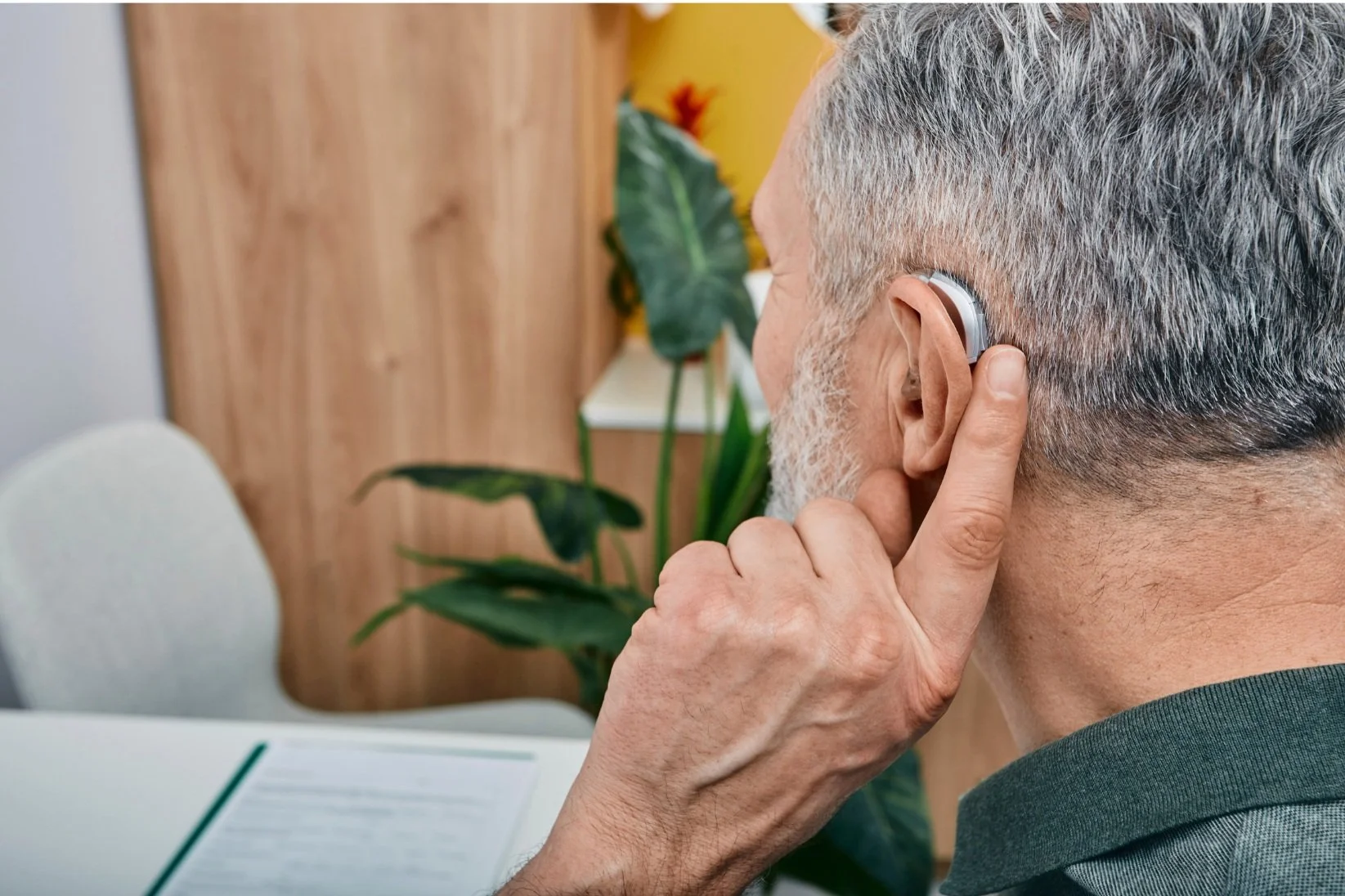
Congratulations on taking the first step towards better hearing health by getting new hearing aids! Adjusting to new hearing aids can be an exciting but also challenging journey. It's normal to feel a mix of emotions, including anticipation, excitement, and perhaps a bit of apprehension. Below is a guide with tips to help you get used to your new hearing aids with confidence and ease.
What to expect in the early days
Adjusting to new hearing aids takes time, so be patient with yourself throughout the process. During those first few days of wearing hearing aids, your ears may initially feel strange. Both others’ voices and your own may sound unnatural at first because you are getting used to hearing those high-frequency sounds you’ve been missing or hearing differently for years, such as “s,” “f,” and “t” which can be distracting and make it difficult to have conversations. Hang in there—it is all normal and temporary.
You’ll start hearing everyday sounds again. Just like someone who starts wearing glasses and can suddenly see smaller details again, your improved hearing will allow you to start hearing those everyday sounds you’ve been without or have forgotten about, such as your refrigerator humming or birds chirping out the window.
For some, these “new” sounds may initially sound dull or irritating. But as you get used to wearing your hearing aids over time, the noises will blend back into the background.
Try these 5 tips
Ensure your hearing aids are on/in correctly: Proper placement and fitting are crucial for optimal performance. Ensuring that your hearing aids are placed correctly in or on your ears helps maximize their effectiveness in amplifying sound and improving your hearing ability. If your hearing aids are incorrectly positioned, you may not experience the full benefits of wearing them.
Try to wear your hearing aids all day: Wearing your hearing aids consistently throughout the day helps your brain adapt to processing amplified sounds and adjust to the new sensory input provided by the devices. By wearing your hearing aids for an extended period, you allow yourself to acclimate to the improved auditory experience they provide, leading to more comfortable and effective use over time.
Practice having conversations: Engaging in conversations while wearing your hearing aids allows you to practice listening and communication skills in real-world situations. This practice helps sharpen your ability to understand speech, distinguish different sounds, and follow conversations more effectively. Regular communication practice also builds confidence and familiarity with using your hearing aids in social settings.
Ease into noisy situations: Noisy environments can be overwhelming for individuals adjusting to hearing aids. Gradually exposing yourself to noisy situations accustoms you to processing speech and other sounds in challenging listening environments. Start by introducing yourself to moderately noisy settings and gradually increase exposure to louder environments as you become more comfortable and confident in navigating them with your hearing aids.
Be patient: Adjusting to hearing aids takes time and patience. It's common to experience challenges and frustrations along the way, but it's important not to give up. Persistence and perseverance are key to successful adaptation. Even on difficult days, remind yourself of the benefits of wearing hearing aids and their positive impact on your quality of life. With time and dedication, you'll gradually adjust to your hearing aids and reap the rewards of improved auditory function and communication abilities.
Remember, you’re not alone. Hearing Health Associates are always there to answer any questions, offer suggestions, fine-tune your hearing aids, and even help you set up so you can get even more control over your hearing aids. There’s no better time than the present to take back control of your hearing health. Contact us today!