A Comparative Guide to Hearing Aids and Hearing Amplifiers
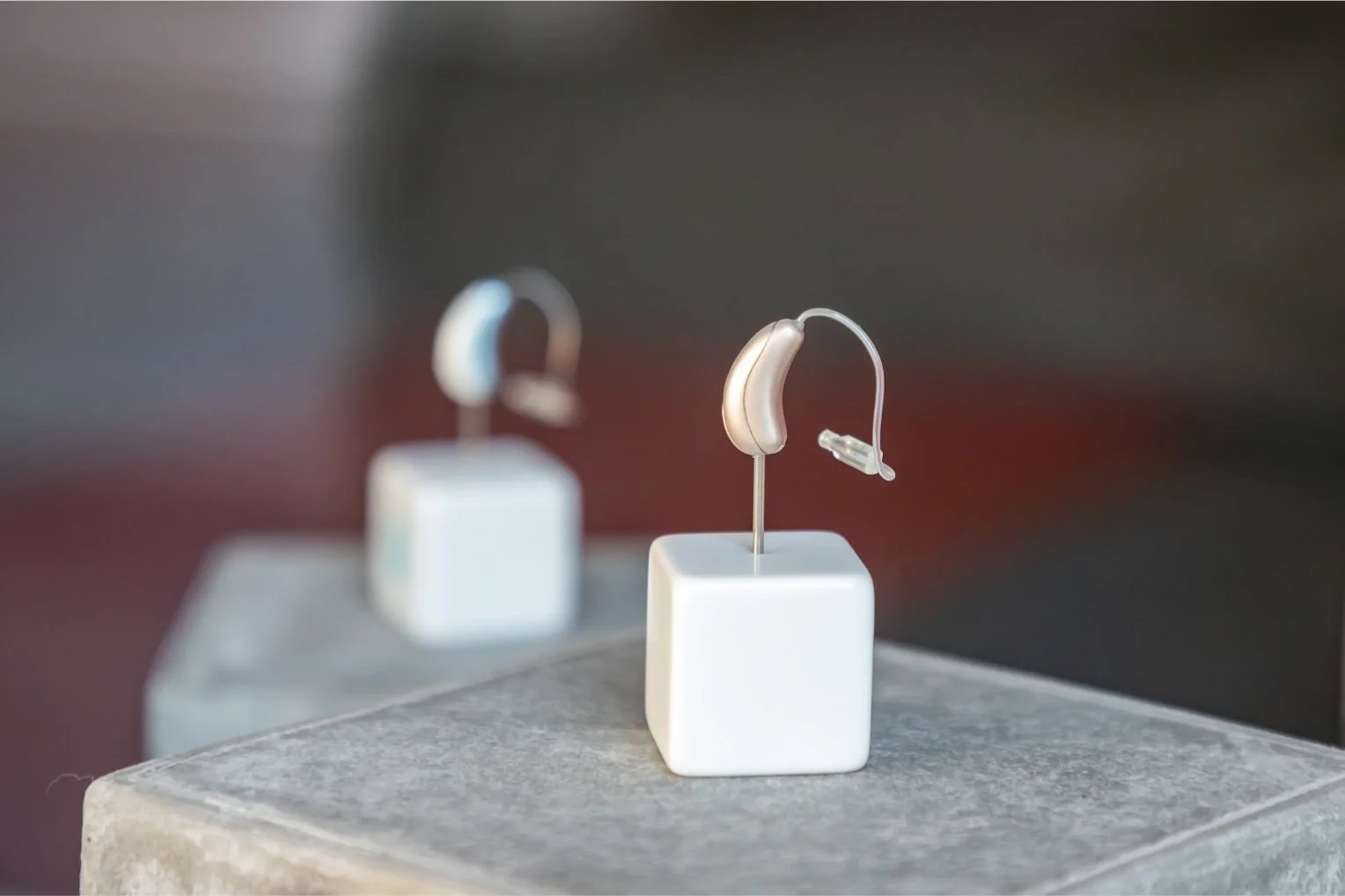
When it comes to addressing hearing challenges, the choice between hearing aids and hearing amplifiers is a decision that requires careful consideration. Each option offers unique features and benefits, catering to different degrees of hearing loss and individual preferences. In this blog post, we'll delve into the distinctions between hearing aids and hearing amplifiers to help you decide which device aligns best with your needs.
What's the difference?
Both hearing aids and personal sound amplifiers amplify sound; however, there are significant differences between the two products. Hearing aids assist with impaired hearing. In contrast, hearing amplifiers (PSAPs) are intended for people with normal hearing to amplify sounds in certain situations, such as recreational activities like birdwatching or hunting.
Professionally-fit hearing aids are Class 1 medical devices regulated by the FDA. They are customized to a person's hearing loss and are available from hearing healthcare professionals, such as a hearing aid clinic. OTC hearing aids are also an option.
Consumers can purchase hearing amplifiers (PSAPs) online or over-the-counter. These are not the same as OTC hearing aids. Amplifiers are not adjustable to a person's unique hearing loss pattern – they amplify all sounds while hearing aids increase the precise frequencies a person with hearing loss needs to hear. Our doctors use an audiogram to determine which frequencies require attunement.
Some additional differences between hearing amplifiers and hearing aids include the following:
Customization: Hearing aids have more range and options for customization depending on a person's needs. Hearing aids also come in different styles, types, and colors. On the other hand, hearing amplifiers usually come in a "one-size-fits-all" design.
Prescription: A person needs a prescription to purchase hearing aids. However, they do not require a prescription to obtain a hearing amplifier.
Regulation: The FDA regulates hearing aids, while hearing amplifiers do not need to be FDA-regulated.
Cost: Amplifiers usually cost less than hearing aids.
Volume, not clarity: Amplifiers make audio louder instead of clearer. They usually cannot distinguish between speech and other background noise and do not always have feedback cancelation as most hearing aids do.
Who should use a hearing amplifier (PSAP)?
Hearing amplifiers aim to be a one-size-fits-all solution, and that is not possible if an ideal outcome is the objective. At Hearing Health Associates, we take great pride in the care we provide for our patients. We listen to your story, concerns and needs, and then decide what's most appropriate for you. There is no one solution that fits all; all of our patients have completely customized care and solutions based on their situations, life stage and lifestyles.
A hearing care provider can help with either.
To make the best decision, consult an audiologist who can provide a thorough assessment and guidance tailored to your needs. Whether you choose the advanced technology of hearing aids or the simplicity of hearing amplifiers, the goal is to enhance your hearing experience and reconnect you with the sounds of life. Contact us for a hearing evaluation.