Protect Your Ears From Loud Sounds
Originally published June 28, 2017. Refreshed May 20, 2026.
For many of us, summer sounds bring back pleasant memories. Crickets chirping, children splashing in the pool, ocean waves, and campfires crackling all remind us of the season. But summer also brings some of the loudest and most damaging sounds for our ears. Fireworks, lawnmowers, power tools, motorcycles, sporting events, and outdoor concerts can all expose your hearing to dangerous noise levels.
More than 26 million Americans aged 20 to 69 experience noise-induced hearing loss. Loud sounds damage the tiny hair cells inside the inner ear. These sensory cells convert sound into signals that travel to the brain. Once damage occurs, the body cannot repair or replace these cells, which means the hearing loss becomes permanent.
HOW LOUD IS TOO LOUD?
We measure sound loudness in decibels (dB). Exposure to sounds above 85 dB can damage hearing over time, especially during prolonged exposure. Extremely loud sounds, such as fireworks or explosions, can instantly damage hearing.
Health experts recommend protecting your hearing when you experience:
Sounds louder than 100 dB for more than 15 minutes
Sudden, one-time noises around 120–140 dB
For comparison:
Normal conversation: about 60 dB
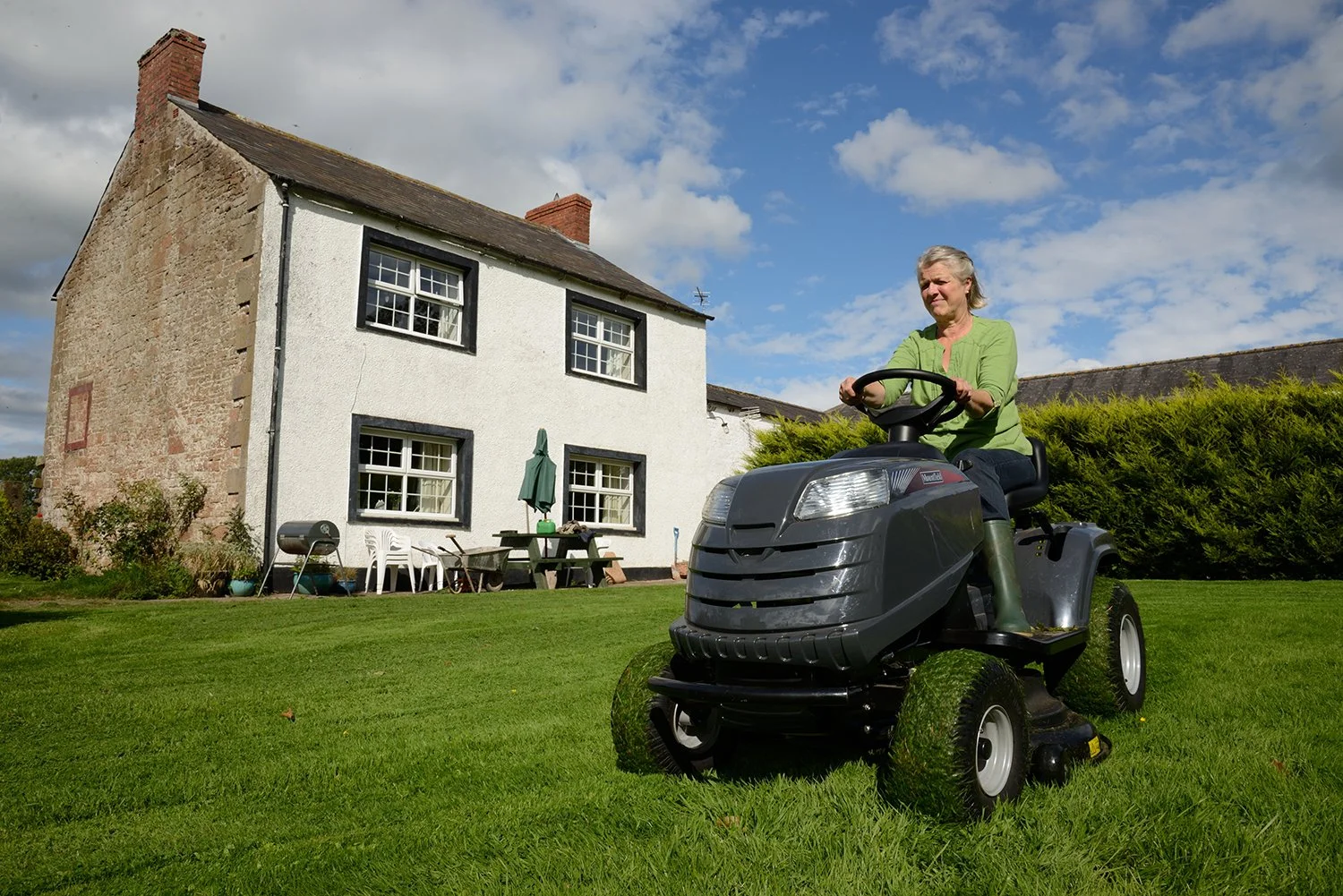
Lawnmower: about 85–90 dB
Concerts and sporting events: often 100+ dB
Fireworks: can exceed 140 dB
Everyday listening habits matter. Listening to music, podcasts, or videos at high volume through headphones for long periods can gradually damage hearing.
SIGNS YOU MAY BE EXPOSING YOUR EARS TO TOO MUCH NOISE
Your ears may be under too much stress if you notice:
Ringing or buzzing in the ears (tinnitus)
Muffled hearing after a concert or event
Needing to raise your voice to communicate
Temporary difficulty hearing conversations clearly
Parents should also monitor their children’s and teens’ headphone volume. If you can hear sound coming from their headphones or earbuds while standing nearby, the volume is likely too high.
HOW TO PROTECT YOUR HEARING
You can prevent most cases of noise-induced hearing loss with a few simple habits:
Wear ear protection around loud equipment or events
Lower headphone and earbud volume
Take listening breaks in noisy environments
Move farther away from speakers or machinery when possible
Schedule regular hearing evaluations if loud noise exposure is part of your routine
Today, custom hearing protection options exist for concerts, musicians, hunters, swimmers, and workplace environments. These products make it easier to protect your hearing comfortably and consistently.
If loud noise is part of your work, hobbies, or daily routine, we can help you find hearing protection that fits your lifestyle. If you think noise exposure has already affected your hearing, schedule a hearing evaluation. Early action can help you protect the hearing you still have.
We wish you all a happy, healthy summer, and don’t forget to protect your ears!